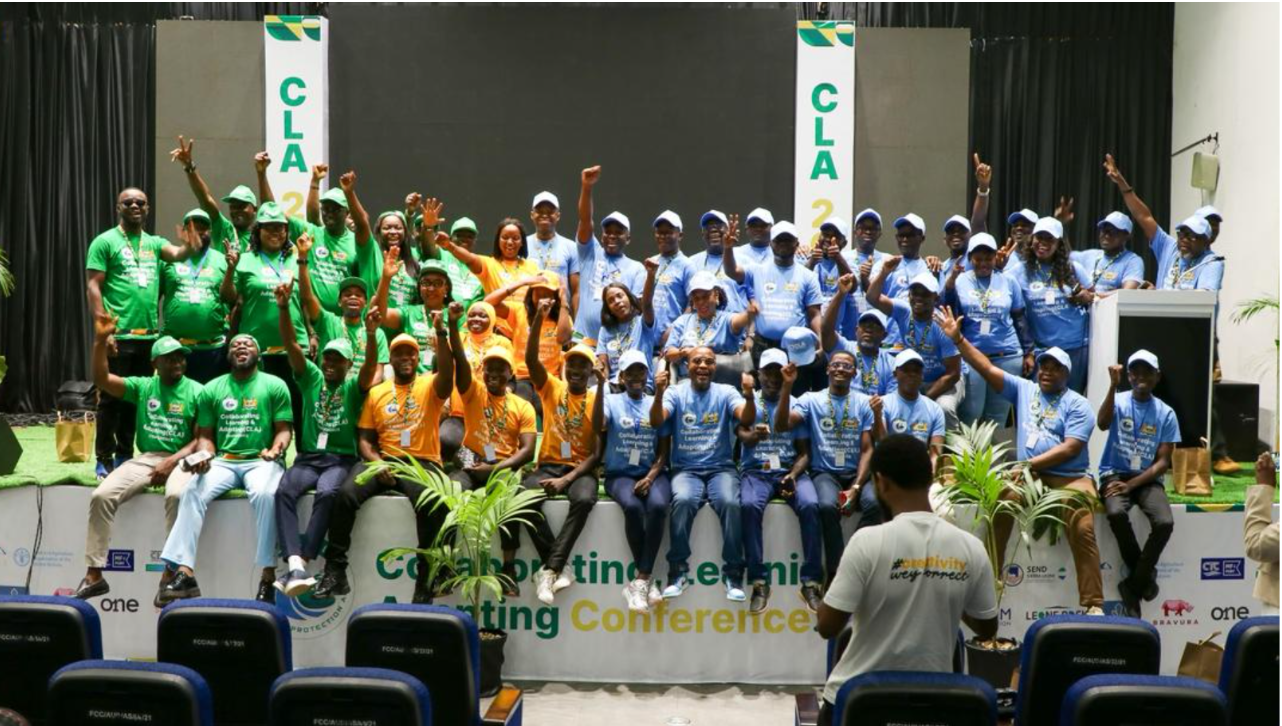
Collaborating, Learning and Adapting Conference (CLA26) Day 3 Update
We concluded Day Three of our Collaborating, Learning and Adapting Conference (CLA26) with a focus on chemical wastes and control (Environmental Health and Safety)
We explored the essence of a strategic approach to international chemicals management (SAICM) and a rollout of the country’s first National Pollutant Inventory (NPI), a national response to addressing pollution as a planetary crisis.
We addressed the findings of the Center for Environmental Data and Statistics’ (CEDAS) formative workshop, as well as its objectives of serving as a one-stop shop for all data related to the environment.
Key initiatives, such as the creation and implementation of a plastic waste policy and a lead regulations, effectively protect public health, and controlling chemical usage formed parts of our engagement.
The WAM Collegiate Secondary School performed a dramatised skit titled ‘The role of a lead paint regulation to regulate the paint industry, emphasising the significance of lead as a toxin that impairs neurological development, particularly in children.
Other plenary discussions focused on the subject of illegal river dredge mining, stakeholder complicity, and the effects of mercury on the marine environment and the #ASGM sector.
The Montreal Protocol’s implementation and phase-out of ozone-depleting compounds, as well as the HFC and ODS survey, were also discussed.
Essentially, #CLA26 focused on our goals and important activities for new strategic orientations, as well as areas where collaboration, resource mobilisation, and knowledge exchange can help with effective execution and impact.
The executive chairman, Dr Abu-Bakar S. Massaquoi, emphasised the importance of effective collaboration, prioritisation and immediacy of decisions, and integration of interests in addressing institutional wicked problems and barriers to effective environmental governance and management in his recap.
He closed by thanking our sponsors, partners, staff, panelists, and well-wishers for their attendance, support, and logistics, which helped make the programme a success.
CLA27 will be larger, more purpose-driven, and more focused on delivering impact.